
How Long Do Chemical Repellents Really Last and Their Impact on the Human Body and Environment?
You're standing in the camping supply aisle, staring at a wall of bug sprays. The labels promise 8-hour protection, 12-hour shields, and all-day defense. But if you've ever been camping, you know that "all-day protection" often means reapplying every few hours when the mosquitoes inevitably find you again.
So what's the real story? How long do these chemical repellents actually work, and what are they doing to our bodies and the environment while they're at it?
The Truth About Chemical Repellent Duration
Most chemical repellents provide 4-8 hours of protection under ideal conditions. But here's what the fine print doesn't tell you: "ideal conditions" rarely exist in the real world.
DEET, the most common active ingredient, offers the most consistent protection. At 20-30% concentration, you'll get about 4-6 hours of coverage. Bump that up to 40-50%, and you might stretch it to 8 hours. Research shows that DEET effectiveness plateaus around 50% concentration – going higher doesn't extend protection time significantly.
Picaridin performs similarly to DEET, lasting 4-8 hours depending on concentration. IR3535 can be surprisingly long-lasting, with some formulations providing up to 10 hours of mosquito protection in controlled studies.

But here's where it gets interesting. These durations assume you're sitting still in a lab, not hiking through humid woods or sweating by a campfire. Real-world factors like:
- Sweating and physical activity
- Swimming or getting caught in rain
- Rubbing against clothing or gear
- Higher temperatures and humidity
...can cut that protection time in half or more.
What Chemical Repellents Do to Your Body
Chemical repellents work by creating a barrier that confuses mosquitoes' sensory systems. They literally can't "see" you as clearly. But while they're messing with mosquito senses, what are they doing to yours?
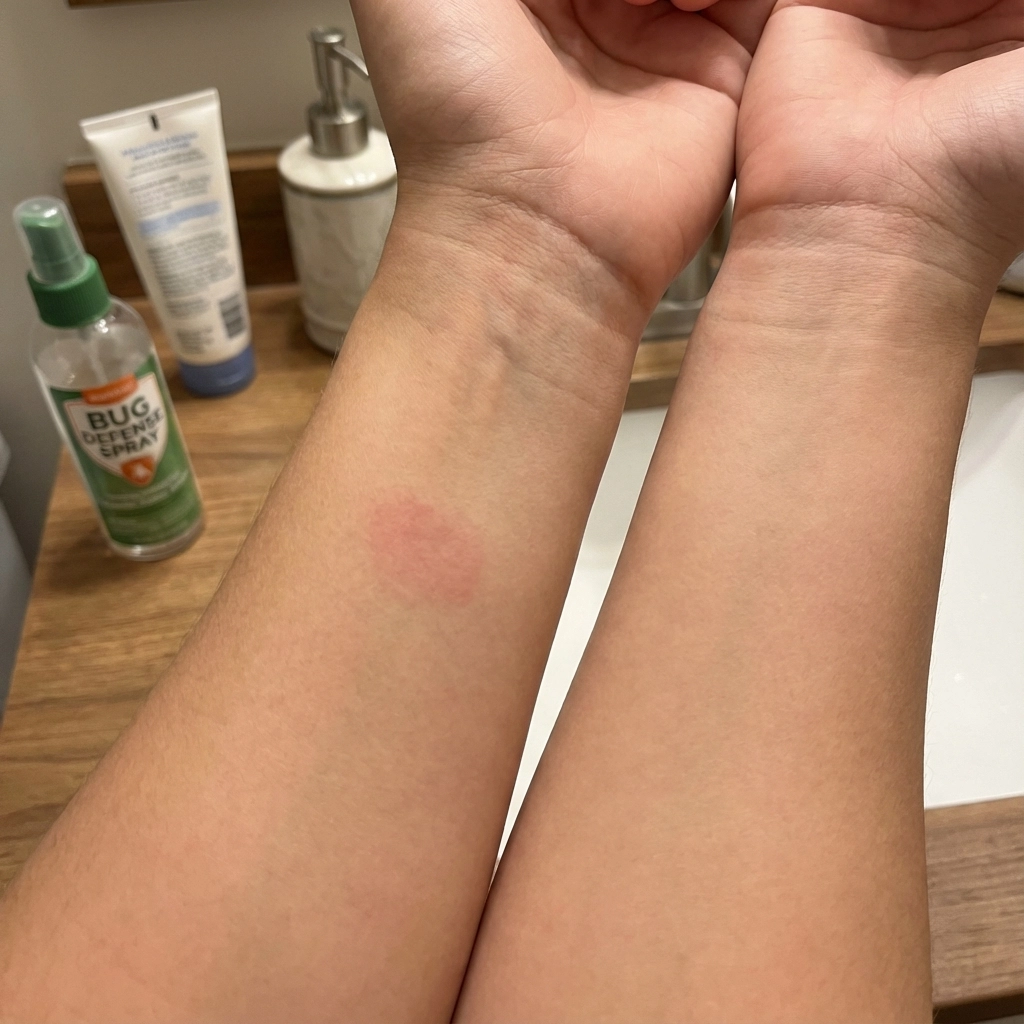
Skin absorption is the primary concern. DEET, despite decades of use, is absorbed through the skin and can be detected in blood and urine. Most people experience no immediate effects, but some report skin irritation, especially with repeated use or higher concentrations.
Children's developing nervous systems process chemicals differently than adults. While serious reactions are rare, many families prefer to limit exposure, especially for kids under 2 years old.
Respiratory effects can occur with spray applications. Ever catch a whiff of bug spray and feel that sharp sensation? That's your body telling you it doesn't particularly enjoy inhaling these compounds.
The good news is that for occasional use, most chemical repellents are considered safe for healthy adults. But "safe" and "ideal" aren't the same thing, especially when you're applying them regularly throughout mosquito season.
Environmental Impact: The Bigger Picture
Chemical repellents don't just disappear when we wash them off. DEET has been detected in water sources and can affect aquatic life. Some studies suggest it may harm certain fish species and can persist in the environment longer than we'd like.
Packaging waste is another consideration. Those single-use aerosol cans and plastic bottles add up quickly across millions of users each summer.
The manufacturing and transportation of chemical repellents also contribute to environmental impact, though this isn't unique to bug sprays – it's part of any mass-produced product's footprint.
When Chemical Repellents Make Sense
Let's be honest: chemical repellents have their place. If you're traveling to areas with serious disease-carrying mosquitoes, heading into heavily infested wilderness, or dealing with aggressive tick populations, they can be essential tools.
The key is understanding their limitations and using them strategically rather than as your default, everyday solution.
The Natural Alternative Approach
This is where plant-based solutions like Bug Bam's products shine. Instead of creating a chemical barrier, they use essential oils and natural compounds that mosquitoes naturally avoid.
Bug Bam Mosquito Bands use a blend of citronella and other plant-based ingredients and have been scientifically tested to repel for up to 100 hours in a laboratory environment and based on customer feedback, without the concerns about skin absorption or environmental impact.

Bug Bam Roll-On offers targeted application for areas where mosquitoes typically target – wrists, ankles, behind ears – with an efficacy of around 3 to 4 hours per use. It's particularly useful for children or anyone with sensitive skin who wants to minimize chemical exposure.
For larger areas, the Bug Bam Grid system creates a protective zone around your campsite or backyard gathering without anyone having to apply anything directly to their skin, and has been scientifically tested to repel for up to 100 hours in a laboratory environment and based on customer feedback.
Even your pets can benefit from natural protection with Bug Bam Pet Tags, which use ultrasonic technology to repel fleas and ticks and will continue working for up to 2 weeks per tag, without chemicals that could affect their sensitive systems.
Making Smart Choices for Your Situation
The best repellent strategy isn't one-size-fits-all. Consider these factors:
For everyday outdoor activities (gardening, backyard barbecues, local hiking), natural repellents often provide sufficient protection with fewer concerns.
For high-risk situations (travel to tropical areas, extended wilderness trips, areas with known disease vectors), chemical repellents might be worth the trade-offs.
For families with young children, starting with natural options and escalating only if needed makes sense.
For frequent outdoor activities, rotating between natural and chemical options can minimize cumulative exposure while maintaining protection.

Practical Application Tips
Whether you choose chemical or natural repellents, application matters:
- Read the label – seriously. Concentration percentages tell you a lot about expected duration and appropriate use.
- Test on small skin areas first to check for sensitivity.
- Apply to clothing when possible rather than directly to skin.
- Don't overdo it – more isn't always better and can increase irritation risk.
- Wash off when protection is no longer needed, especially before bed.
The Bottom Line
Chemical repellents typically last 4-8 hours and are generally safe for occasional use, but they do come with considerations for both personal health and environmental impact. They're powerful tools that have their place in the right situations.
Natural alternatives like Bug Bam's products offer protection with plant-based ingredients that break down more easily in the environment and don't raise concerns about skin absorption or respiratory effects, with realistic durations: Mosquito Bands and Mosquito Grids have been scientifically tested to repel for up to 100 hours in a laboratory environment and based on customer feedback; the Roll-On delivers around 3 to 4 hours per use; and Pet Tags continue working for up to 2 weeks per tag.

The smartest approach? Know your options and match them to your needs. A weekend camping trip in mosquito-heavy wilderness might call for chemical backup, while a evening garden party might be perfectly covered by natural repellents.
Your outdoor adventures don't have to involve a chemistry experiment. Sometimes the gentler approach keeps the bugs away and lets you enjoy the great outdoors without wondering what you're putting on your skin – or into the environment.
By Joseph M Symond